
Managing Blood Glucose During Ramadan: Expert Guidance for Patients with Type 2 Diabetes
March 1, 2026 | By Dr. Mehwish Niaz, MBBS – Registrar, Internal Medicine
About the Author
Dr. Mehwish Niaz, MBBS, is a Registrar in Internal Medicine with clinical experience in managing metabolic disorders, including Type 2 diabetes mellitus. Her professional focus includes glycemic control, risk stratification, and patient-centered diabetes care. She is committed to evidence-based practice and patient education to improve long-term health outcomes. The author also reviewed educational material by Dr. Faheem ur Rehman to inform contextual understanding on the topic. Core recommendations align with international guidelines.
Image credit: Stevepb | Pixabay
Ramadan is a sacred month observed by millions of Muslims worldwide. For individuals living with Type 2 diabetes, however, fasting from dawn to sunset presents significant metabolic challenges. Properly managing blood glucose during Ramadan is essential to prevent serious complications while respecting religious commitments.
This expert guide outlines risk assessment, blood sugar monitoring, dietary planning, and safety recommendations for patients with Type 2 diabetes during Ramadan.
Table of Contents
ToggleUnderstanding the Risks of Ramadan Fasting and Diabetes
Diabetes mellitus is a chronic metabolic disorder characterized by persistently elevated blood glucose levels. Over time, uncontrolled diabetes can lead to:
- Microvascular complications: diabetic retinopathy, nephropathy, and neuropathy
- Macrovascular complications: cardiovascular disease and stroke
During Ramadan fasting, prolonged periods without food or drink can disrupt glucose balance. Patients with Type 2 diabetes during Ramadan may experience:
- Hypoglycemia (low blood sugar)
- Hyperglycemia (high blood sugar)
- Dehydration
- Increased glycemic variability
For this reason, structured planning and medical supervision are critical.
Why Monitoring Blood Glucose During Ramadan Is Essential
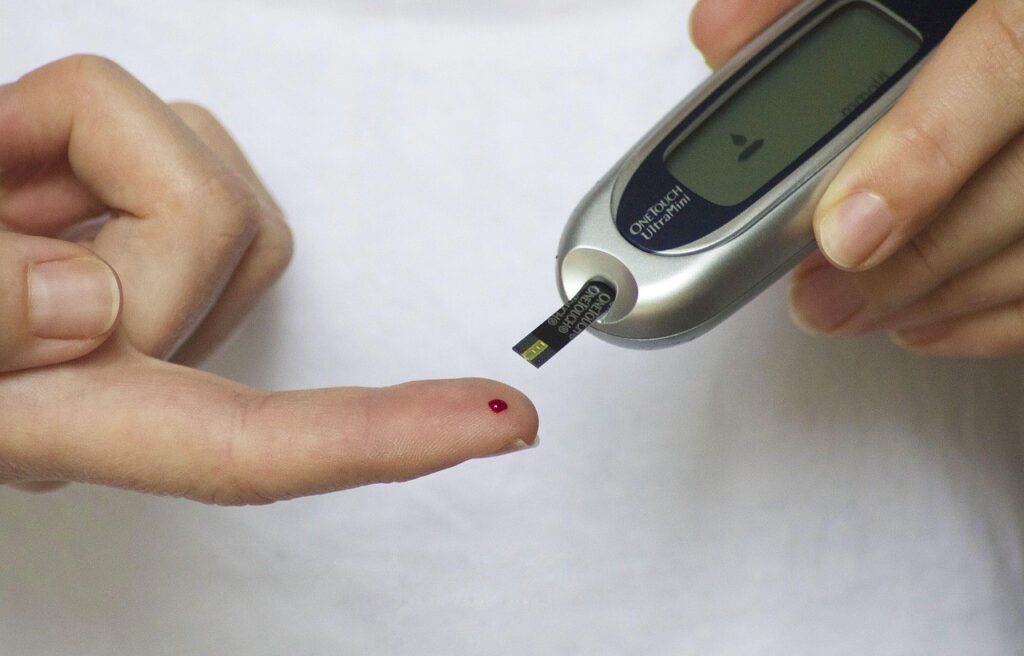
Image credit: TesaPhotography | Pixabay
Regular monitoring of blood glucose during Ramadan is not optional, it is a medical necessity.
Fasting should be broken immediately if:
- Blood glucose falls below 70 mg/dL
- Blood glucose rises above 300 mg/dL
(IDF-DAR Guidelines, 2021).
Both levels indicate potential medical emergencies. Continuing to fast under these conditions may result in severe complications.
Patients should understand that checking blood sugar does not invalidate the fast and is strongly encouraged for safety.
Risk Stratification: Who Can Fast Safely?
Before Ramadan begins, patients should undergo medical evaluation, including HbA1c assessment, medication review, and complication screening.
Low-Risk Category
Patients may fast under supervision if they:
- Have HbA1c between 6.5%–7.5%
- Are on a single oral medication (e.g., metformin)
- Have no significant diabetes-related complications
These individuals can generally observe fasting with careful glucose monitoring.
Moderate-Risk Category
Patients require close supervision if they:
- Have HbA1c between 7.5%–8.5%
- Are on sulfonylureas or multiple oral agents
- Have mild diabetic complications
Frequent blood sugar checks and physician follow-up are essential in this group.
High-Risk Category (Should Avoid Fasting)
Fasting is strongly discouraged in patients who:
- Have HbA1c above 9%
- Use insulin therapy
- Have a history of diabetic ketoacidosis (DKA)
- Experience recurrent hypoglycemia
- Have moderate to severe complications (retinopathy, nephropathy, neuropathy, stroke)
- Are pregnant with gestational or pre-existing diabetes
For these individuals, Ramadan fasting and diabetes management pose substantial health risks.
Structured risk categorization is guided by consensus recommendations from IDF-DAR and Diabetes UK.
Recognizing and Preventing Hypoglycemia During Fasting
Hypoglycemia during fasting is defined as blood glucose below 70 mg/dL.
Symptoms may include:
- Sweating
- Tremors
- Dizziness
- Weakness
- Confusion
- Speech difficulty
Severe cases can lead to seizures, unconsciousness, or coma.
Elderly patients and those taking insulin or sulfonylureas are at increased risk. Immediate breaking of the fast is mandatory if symptoms appear.
Prevention strategies include:
- Adjusting medication timing under physician supervision
- Never skipping Suhoor
- Avoiding excessive simple carbohydrates
- Monitoring glucose regularly
Dietary Guidelines for Managing Blood Glucose During Ramadan
Nutrition plays a central role in diabetes management in Ramadan.
Suhoor (Pre-Dawn Meal)
Suhoor should focus on slow-releasing carbohydrates and adequate hydration.
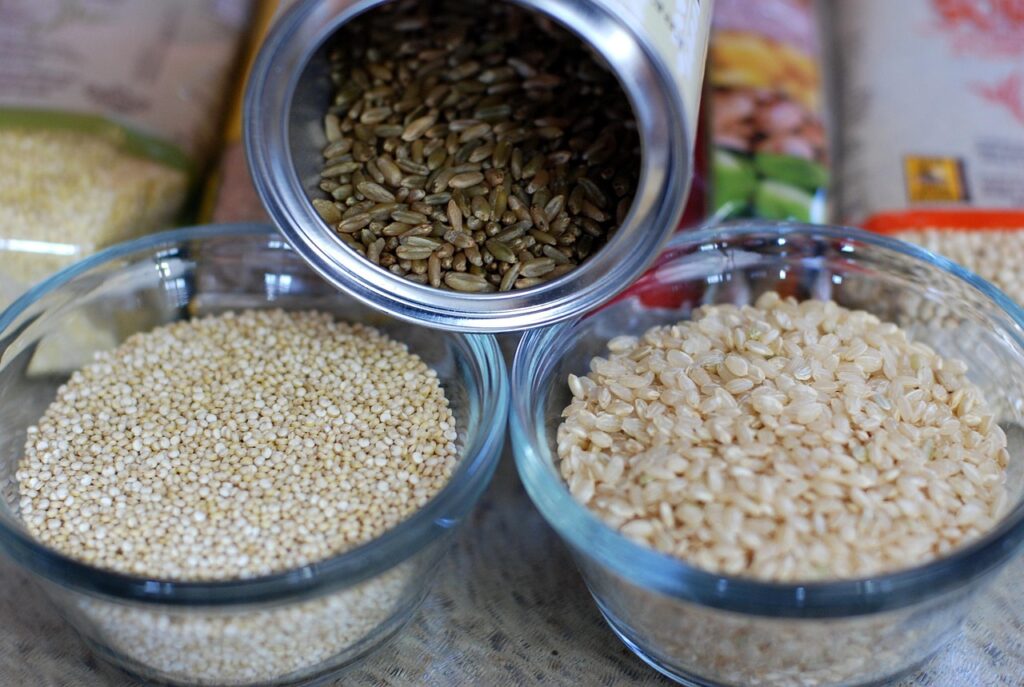
Image credit: NatureFriend | Pixabay
Recommended foods:
- Oats
- Brown rice
- Buckwheat
- Bulgur wheat
- High-fiber whole grains
These foods have a low glycemic index and help stabilize blood glucose during prolonged fasting hours.
Additional recommendations:
- Avoid skipping Suhoor
- Control portion sizes
- Drink 8–10 glasses of water between Iftar and Suhoor
- Limit caffeine and sugary beverages
Iftar (Breaking the Fast)
Iftar should be balanced and moderate.
- Fasting may be broken traditionally with dates, but portion control is essential
- Prioritize hydration with water
- Avoid excessive white bread, parathas, and refined carbohydrates
- Limit sweetened beverages to prevent post-Iftar glucose spikes
Balanced meal planning reduces rapid glucose fluctuations and supports safer fasting.
Whole grains and low-glycemic foods are recommended for glycemic stability during Ramadan fasting (Diabetes UK).
Who Is Religiously Exempt from Fasting?
Islam provides exemptions for individuals whose health may be harmed by fasting. These include:
- Children below puberty
- Elderly individuals
- Those with acute or chronic illness
- Pregnant or breastfeeding women
- Travelers
- Individuals with cognitive impairment
Medical advice should guide decision-making in such cases.
Exemption criteria align with guidance from the Ramadan Health Guide 2026 (MCB/BIMA).
Practical Safety Checklist for Patients
Before Ramadan:
- Consult your physician or endocrinologist
- Review HbA1c levels
- Adjust medication timing if necessary
- Develop a glucose monitoring schedule
During Ramadan:
- Check blood sugar regularly
- Break the fast if glucose is <70 mg/dL or >300 mg/dL
- Stay hydrated during non-fasting hours
- Recognize early signs of hypoglycemia
Quick Safety Summary
- Break the fast if blood glucose is below 70 mg/dL or above 300 mg/dL (IDF-DAR Guidelines, 2021)
- Never skip Suhoor
- Monitor blood sugar regularly
- Consult your doctor before Ramadan
- High-risk patients should not fast
Conclusion
Managing blood glucose during Ramadan requires individualized risk assessment, structured monitoring, and disciplined dietary planning. While some individuals with well-controlled Type 2 diabetes can fast safely under medical supervision, others face significant risks and should refrain.
Patient safety must always take precedence over fasting.
Pre-Ramadan consultation, glucose awareness, and proactive management are the pillars of safe Ramadan fasting for patients with diabetes.
Frequently Asked Questions
Can patients with Type 2 diabetes fast during Ramadan?
Yes, some patients with well-controlled diabetes and low HbA1c levels may fast under medical supervision. High-risk patients should avoid fasting.
What blood sugar level requires breaking the fast?
Blood glucose below 70 mg/dL or above 300 mg/dL requires immediate breaking of the fast.
Does checking blood sugar break the fast?
No. Monitoring blood glucose does not invalidate fasting.
How can hypoglycemia during fasting be prevented?
By adjusting medications, eating a balanced Suhoor, monitoring glucose levels, and recognizing early symptoms.
Medical Disclaimer
This article is intended for educational purposes only and does not replace individualized medical consultation. Patients should consult their healthcare provider before making changes to fasting or medication routines.
References
- British Islamic Medical Association (BIMA). Ramadan Health Guide 2026.
- Diabetes UK. Looking After Diabetes During Ramadan.
- International Diabetes Federation (IDF) / Diabetes and Ramadan International Alliance (DAR). Diabetes and Ramadan: Practical Guidelines, 2021 (IDF-DAR Guidelines).